Islands and Outermost Regions show Europe the way: TwInSolar final conference lights up in Brussels
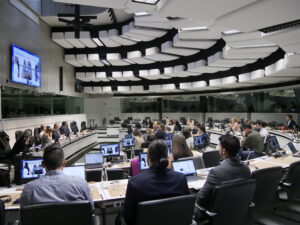
On 30 September 2025, the TwInSolar project held its Final Policy Conference in Brussels at the European Committee of the Regions. The event gathered around 50 participants (EU representatives, regional authorities, researchers, and energy stakeholders) to explore how non-interconnected territorries, islands and Outermost Regions can pioneer Europe’s clean energy transition.
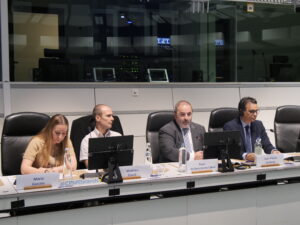
Opening the event, MEP Paulo Do Nascimento Cabral underlined Europe’s three urgent energy challenges: “strategic autonomy to free ourselves from Russian gas, competitiveness in photovoltaics where we lag behind, and the urgent need for affordable renewable energy.” He called for tailored financial and legislative support for Outermost Regions, highlighting storage as a decisive factor and pointing to opportunities in biomass, offshore wind, and wave energy. Social acceptance, he argued, remains critical: “we must work with citizens, to secure commitments to the energy transition.”
Regional Councillor, Mr Jean-Pierre Chabriat, highlighted La Réunion’s long-standing clean energy strategy, where over half of households already use solar hot water: “Our strength lies in consistency, equipping 10,000 roofs each year to build a resilient economy based on SMEs and replacement cycles.” He stressed that EU policies and programmes must include explicit chapters and considerations for islands and ORs to ensure these territories can fully unlock their potential and contribute on equal footing to Europe’s clean energy transition.
The European Commission (EC) was represented by Ms. Edita Dranseikaite from the Directorate General for Energy. Drawing on the experience of the EC with the Clean Energy for EU Islands initiative, she underlined that island-based systems have proven to be both more affordable and more sustainable, and that the clean energy transition in islands is “inevitable.” She highlighted lessons learnt from the initiative, stressing that while the EU provides frameworks, implementation depends on strong support from Member States (and therefore how much “island sensitive” they are). She also pointed to grid management as a recurrent obstacle and encouraged island authorities to actively engage in the upcoming public consultations on the Electrification Action Plan and the design of the upcoming EU Islands Strategy and the revision of the Outermost Regions Strategy.
Island voices: from TwInSolar lessons to regional pathways
Building on the TwInSolar policy brief and its recommendations on research, innovation, and large-scale solar integration, the conference also highlighted the perspectives of other island territories. Their contributions showed how TwInSolar’s reflections resonate across Europe, while underlining the diversity of local experiences.
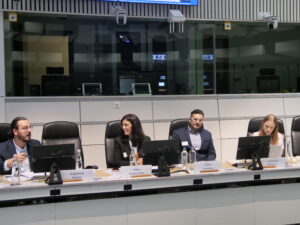
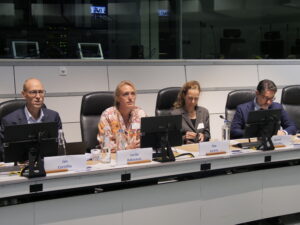
From the Canary Islands, Ms. Guayarmina Peña from the Canary Islands’ Technological Institute (ITC) presented how investments in microgrids and hydrogen hubs are transforming the challenge of energy isolation into an opportunity for innovation and resilience.
From the Azores, Ms. Joana Ferreira Rita, Regional energy director, emphasised the importance of ensuring coherence between local, national, and European programmes, echoing TwInSolar’s call for better alignment of strategies and funding mechanisms.
From Cyprus, Mr. Charis Kordatos from the Cyprus Energy Agency shared its experience of empowering municipalities to establish energy communities, demonstrating how the energy transition can take root at the local level.
From Scotland, Ms. Valentine Willmann highlighted the many parallels with Outermost Regions, from energy poverty and remoteness to the vast potential of renewable resources waiting to be harnessed.
Taken together, these contributions reinforced a common message: islands and Outermost Regions are living laboratories where Europe’s clean energy transition is already underway.
TwInSolar’s legacy: from research results to real-world impact
After 3 years of implementation the project itself left behind innovative tools and results, among which solar forecasting technologies, open-source design and sizing tool, energy management systems, advanced energy modelling instruments and a flagship case study on energy self-sufficiency at the Terre Sainte University Campus in La Réunion.
As project coordinator Dr. Mathieu David put it: “If it works in Outermost Regions, it can work anywhere in Europe.” The message from Brussels was clear: islands are not the end of Europe, they are its energy vanguard.
For more information about the event please consult here the speakers’ presentations!
